
Blog · Invisalign
Am I a Good Candidate for Invisalign? A Seoul Orthodontist Explains
Most people walk into a consultation asking, “Will this work for my teeth?” The better question is, “Will this work for my life?” Here's why your daily routine matters more than you'd think.
Dr. Sally Chaekyung Lee, an English-speaking orthodontist in Seoul near Isu Station, explains how your teeth, gums and daily habits shape your Invisalign treatment plan.

October 31, 2026 · 6 min read
The short version
- Clear aligners can handle a much wider range of cases than most people assume, thanks to digital planning, attachments and elastics.
- In practice, the bigger question is whether you can wear them 20 to 22 hours a day, the wear time Invisalign recommends.
- Aligners only work while they're in your mouth. Think of it like a personal trainer: the plan is ours, the reps are yours.
- A few things do come before habits: gum inflammation, untreated cavities and significant jaw issues need to be addressed or planned for first.
- Good aligner patients aren't superhuman. They just build routines that leave no room to forget.
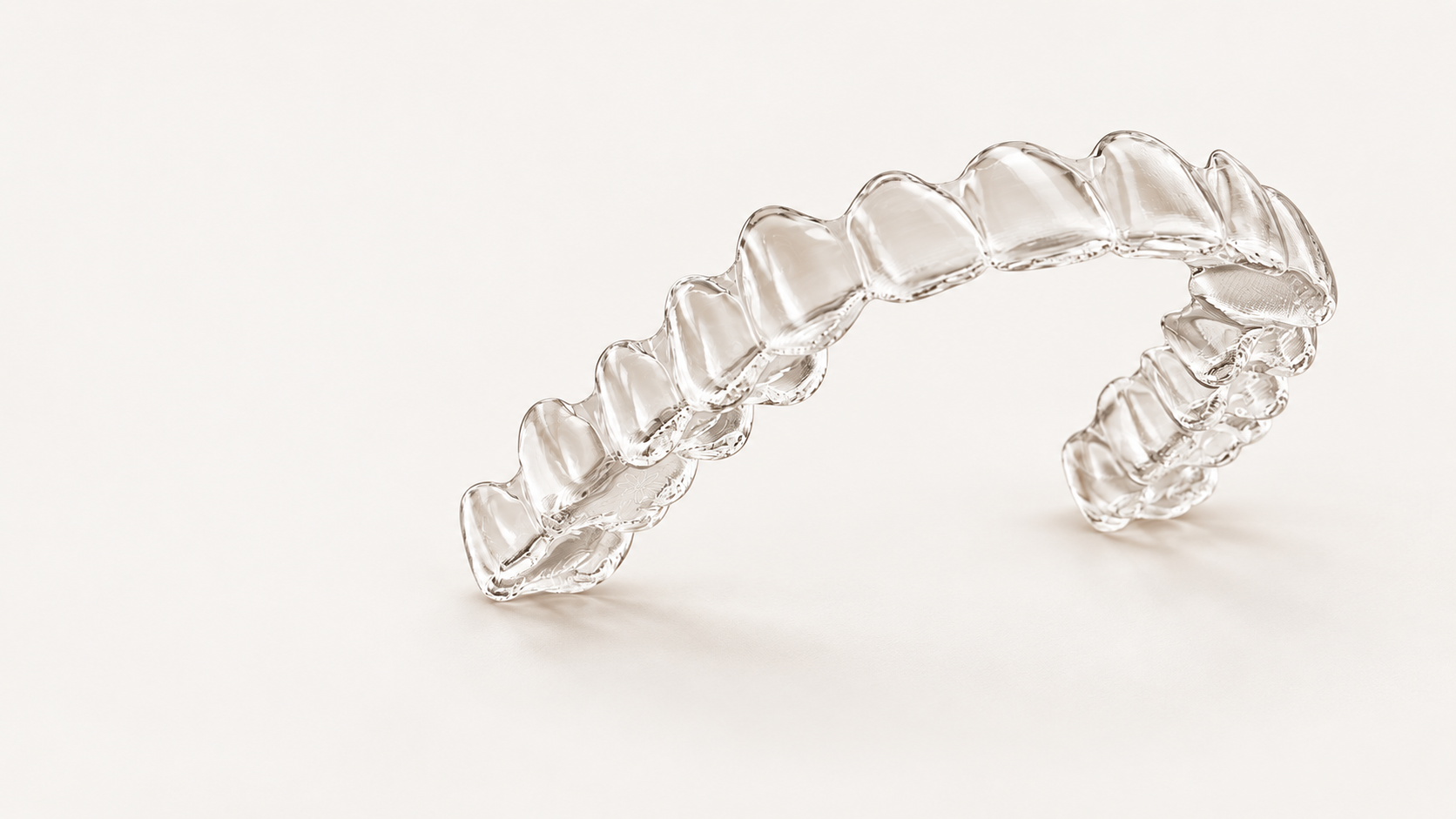
“Can my teeth
be fixed with
Invisalign?”
The aligners do the work, but only when they're actually in your mouth.
“Can my teeth be fixed with Invisalign?”
It's the first thing almost everyone asks me. And it's a fair question. For years, clear aligners had a reputation for being only for “a little crowding up front.” So people show up expecting a yes or no based on their teeth.
Here's what surprises them: the teeth are rarely the deciding factor anymore. The conversation I spend the most time on is about their day. How long they can keep aligners in. How they drink their coffee. Where they tend to leave things.
Do my teeth have to be “mild” for clear aligners to work?
Not necessarily. Modern aligner treatment is planned digitally, one small step at a time, from a 3D scan of your teeth. When teeth need extra help moving, we add attachments, small tooth-colored bumps that give the aligner something to grip. Elastics can be added to adjust how your upper and lower teeth meet.
That toolkit means aligners can take on far more than minor front-tooth crowding. So in consultations, it's actually not that common for me to say, “Your teeth just aren't right for aligners.” What I check far more often is whether the treatment fits the person's routine.
The real question isn't “Will this work for my teeth?” It's “Will this work for my day?”

Why do habits matter more than how crooked my teeth are?
Because aligners only work while they're in your mouth. When they're sitting in their case, your teeth aren't moving toward the plan. If anything, they start drifting back.
Think of it like hiring a personal trainer. A great trainer can design the perfect program, but you still have to show up and do the reps. Aligners are the same. Your orthodontist designs every step of the movement. You're the one who carries it out, every single day.
Invisalign recommends wearing aligners 20 to 22 hours a day. If you aim for 22, that leaves about two hours for everything else: three meals, brushing, and any drink that isn't water. Most of that budget is gone before you know it.
| Same teeth, different habits | When the routine works | When the routine slips |
|---|---|---|
| Wear time | Aligners in most of the day; each stage goes as planned | Longer breaks; teeth fall behind the plan |
| Switching to a new set | The next aligner fits comfortably | The aligner doesn't seat fully or lifts off the teeth |
| Overall progress | Treatment stays on schedule | Extra aligners or a longer timeline may be needed |
| Oral hygiene | Eat, brush, put them back in becomes automatic | Food and drinks trapped under aligners raise the risk of stains and cavities |
Am I an “aligner person”? A 30-second self-check
Be honest with yourself here. This isn't a diagnosis, but it's a surprisingly good preview of how treatment might go.
Checked a lot of the first five? That doesn't rule you out. It just means your routine needs a plan before your teeth do. And if you confidently checked the last one, you're probably a natural fit.

How do I build habits that make aligners work?
The patients who do best have one thing in common. It's not willpower. They set up their day so there's no room to forget.
- Tie aligners to brushing. Make “eat, brush, aligners in” one routine instead of three separate things to remember.
- Batch your coffee. Anything but water means aligners out. Sipping all afternoon quietly eats your two-hour budget, so have your coffee right after a meal.
- Keep two cases. One in your bag, one at your desk. Aligners wrapped in a napkin have a way of ending up in the trash.
- Switch to a new set right before bed. You'll sleep through the tightest first few hours.
- Hang on to your previous set. If you lose or crack your current one, it's often what you'll be told to wear in the meantime.
And never rinse aligners in hot water, since heat can warp them. If a new set still feels uncomfortable after a couple of days, or just doesn't fit right, check with us before moving on to the next one.
Want the full day-by-day version? Read Invisalign With a Full-Time Job in Seoul.
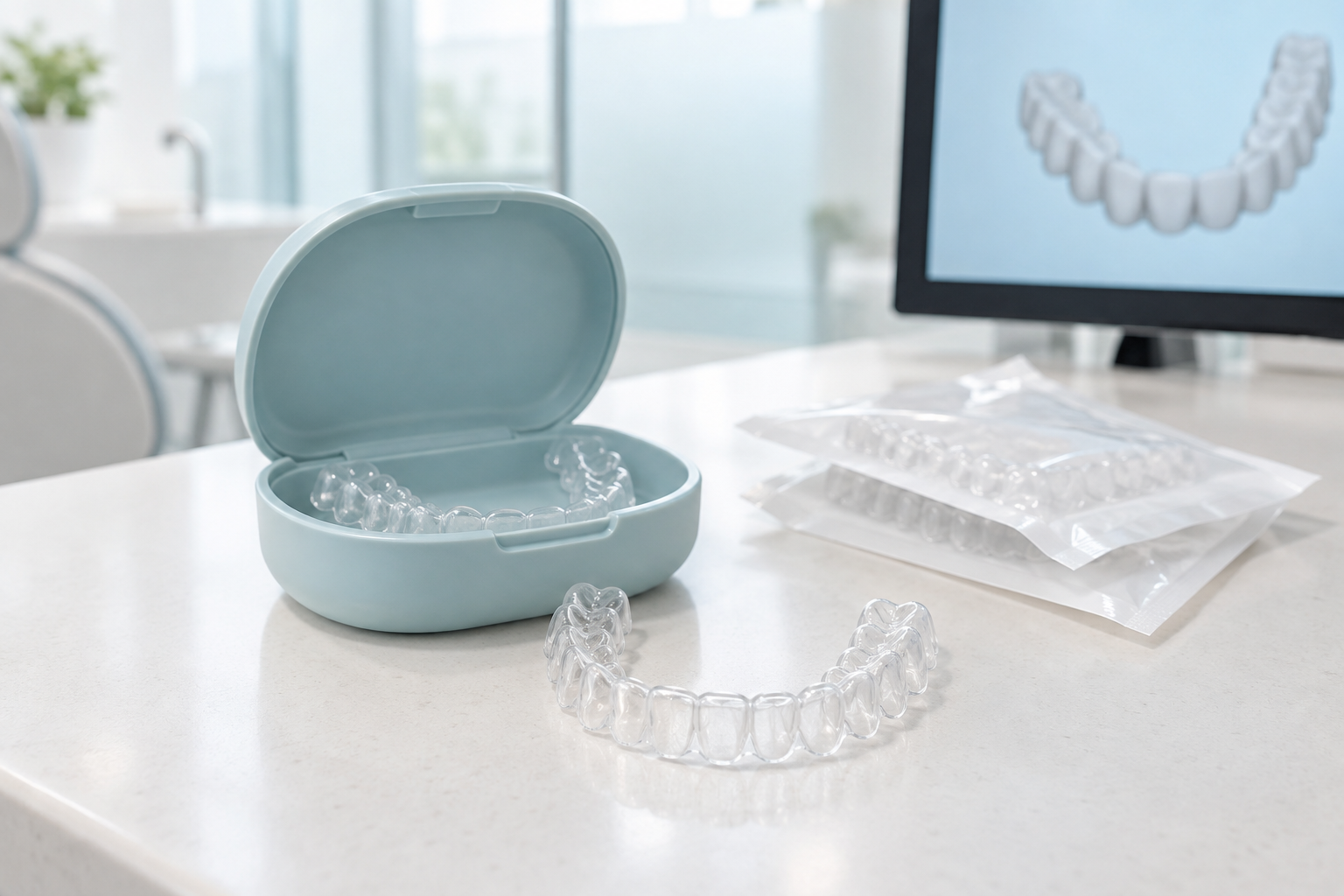
So, with the right habits, can anyone get Invisalign?
For most people, habits are the biggest variable. But a few things need to come first:
- Gum inflammation or untreated cavities. We take care of these before moving any teeth.
- Jaw position that drives the bite problem. Moving teeth alone may not solve it, so other treatment is considered alongside.
- Very large tooth movements. Sometimes aligners are combined with other appliances.
So the order goes like this. First, an exam confirms that your teeth can be moved safely. Then we plan together around whether your life can keep aligners in.
What happens at an Invisalign consultation in Seoul?
We look at your alignment, bite and gums, and when needed, the roots and jawbone too.
- Your history: past orthodontic treatment, jaw discomfort, grinding, bleeding gums, medications
- Exam: cavities, gum health, wear, existing crowns, how your teeth meet
- Digital scan: a 3D record of your teeth, no goopy impressions
- X-rays or CBCT: a 3D look at roots and bone when needed
And one more thing: we'll ask about your life. Your daily schedule, your coffee and snack habits, how often you travel. That conversation shapes your treatment plan just as much as the choice of appliance.
Dr. Lee examines, plans and treats every patient herself, in English. We're one minute from Isu Station, Exit 2, and open until 9 PM on Mondays and Thursdays, so you can come in after work.
Frequently asked questions
Can anyone get Invisalign?
It's less common than you'd think for teeth alone to rule out clear aligners. The bigger factor is usually whether you can wear them 20 to 22 hours a day. Gum inflammation or significant jaw issues need to be checked first, and in those cases other treatment may be considered alongside.
Can Invisalign fix severely crooked teeth?
With attachments, elastics and digital planning, aligners can handle much more than mild crowding. When movements are very large or the jaw position is involved, other appliances may be combined, which is why an exam comes first.
How many hours a day do I need to wear Invisalign?
Invisalign recommends 20 to 22 hours a day. That's basically all day except meals and brushing. Your exact wear time and how often you switch sets depend on your treatment plan.
What happens if I don't wear my aligners enough?
Your teeth may fall behind the plan, and the next set may not fit properly. That can mean extra aligners or a longer treatment time, which is why wear habits are one of the biggest factors in how long treatment takes.
Are clear aligners noticeable?
At normal talking distance, they tend to be hard to spot. Up close, attachments may be visible depending on where they're placed, so ask to see where yours would go during your consultation.
Can I get Invisalign if I had braces before?
Often, yes. If some teeth have shifted since earlier treatment, aligners are commonly considered. We check your bite, retainer history and gum health to decide whether a limited touch-up is enough or full treatment is needed.
Can I start if I might leave Korea before treatment ends?
Yes. Let us know how long you expect to stay. We'll plan around your timeline and, if you move, prepare your full records in English so an orthodontist abroad can continue your care.
Trained in Seoul and Los Angeles.
Dr. Lee earned her PhD in Orthodontics at Yonsei University, trained at Severance Hospital, and completed an exchange residency at the University of Southern California. Today she peer-reviews research for AJO-DO, the official journal of the American Association of Orthodontists, and teaches Invisalign to doctors at university hospitals. When you come in, she’s the one explaining your plan, in English, from your first scan to your last aligner.
Wondering if aligners fit your life?
Tell us a little about your teeth and your routine. Dr. Lee will see you herself.
Message on WhatsApp Book a VisitWant the full picture on clear aligners? Visit our Invisalign & Angel Aligner treatment in Seoul.
This article is general information about clear aligner treatment and isn't a substitute for an in-person examination. Wear time, visit schedules, treatment length and results vary with each person's teeth and treatment plan. Some discomfort or gum irritation can occur during treatment.
Find us in Seoul
One minute from Isu Station.
Isu Yonsei Baro Orthodontic Clinic
4F, Bangbae Yedain Plaza, 118 Dongjak-daero, Seocho-gu, Seoul.
Isu Station · Lines 4 & 7 · Exit 2