
Braces & adult orthodontics
It is not too late to straighten your teeth
Dr. Lee checks your gums, any existing crowns or implants, and your bite before recommending anything. Then she treats as much as you need, and no more.
Common reasons adults come in
Does this sound familiar?
- Crowded or overlapping front teeth
- Gaps that have opened up over time
- Front teeth that stick out
- Teeth that moved again after braces as a teenager
- A bite that wears or chips teeth
- Teeth that need repositioning before implants or crowns
Scope of treatment
Only what you need, nothing that gets missed
Full treatment
Aligns all teeth and corrects the bite.
Limited treatment
Focuses on the front teeth, offered only after checking it will not upset the rest of your bite.
Before dental work
Moves teeth into position so implants, crowns or bridges fit better.
Re-treatment
For teeth that drifted after earlier orthodontic treatment.
Appliances
Choose what fits your work and life
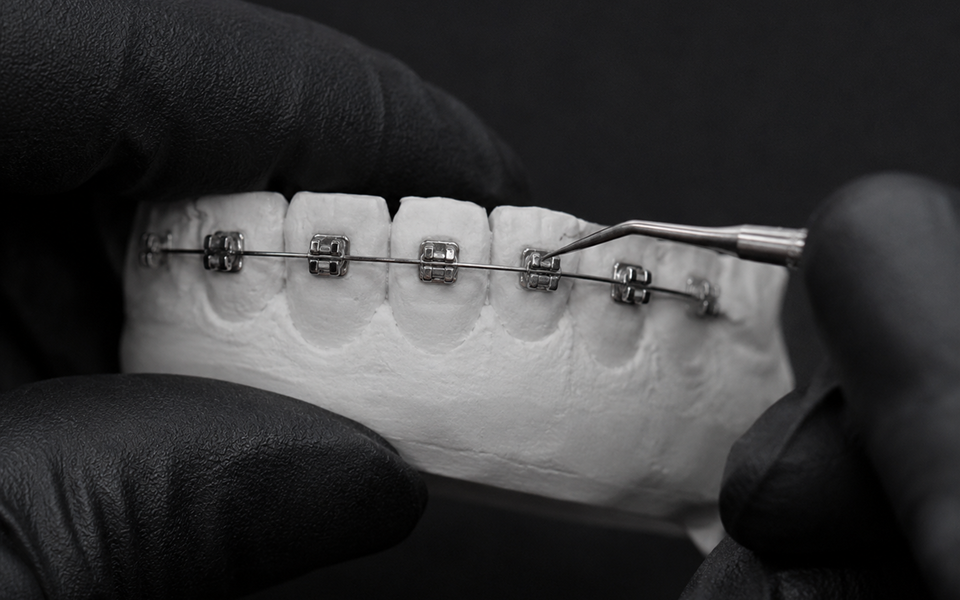
Metal braces
The most precise and economical option for complex movements.
Ceramic braces
Tooth-colored brackets that are much less noticeable.
Lingual braces
Placed behind the teeth, so they cannot be seen from the front.
Clear aligners
Removable trays. See Invisalign.
After braces
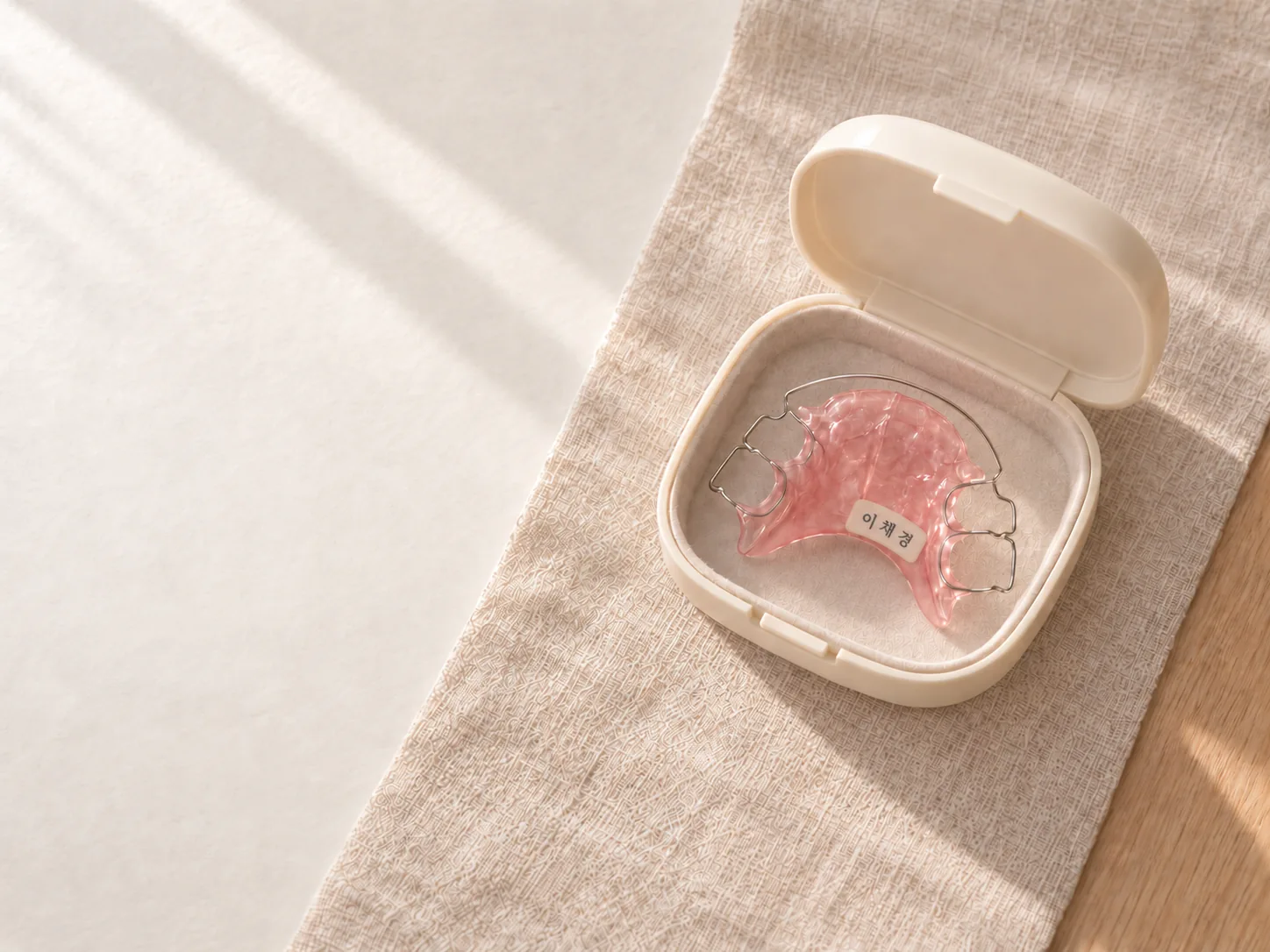
Retainers keep the result
Teeth tend to drift back after orthodontic treatment. Every case ends with retainers, and we keep seeing you for checks afterwards. If you move, we provide retainer records so a new orthodontist can make a replacement.
Questions
Is there an age limit for adult braces?
Will I need teeth removed?
How long will it take?
Does it hurt?
Can I fit treatment around a full-time job?
Risks and what to expect
- Soreness after placement and adjustments
- Brackets make cleaning harder, which raises the risk of decay and gum inflammation
- Root shortening and gum recession can occur
- Teeth can shift back without retainers